
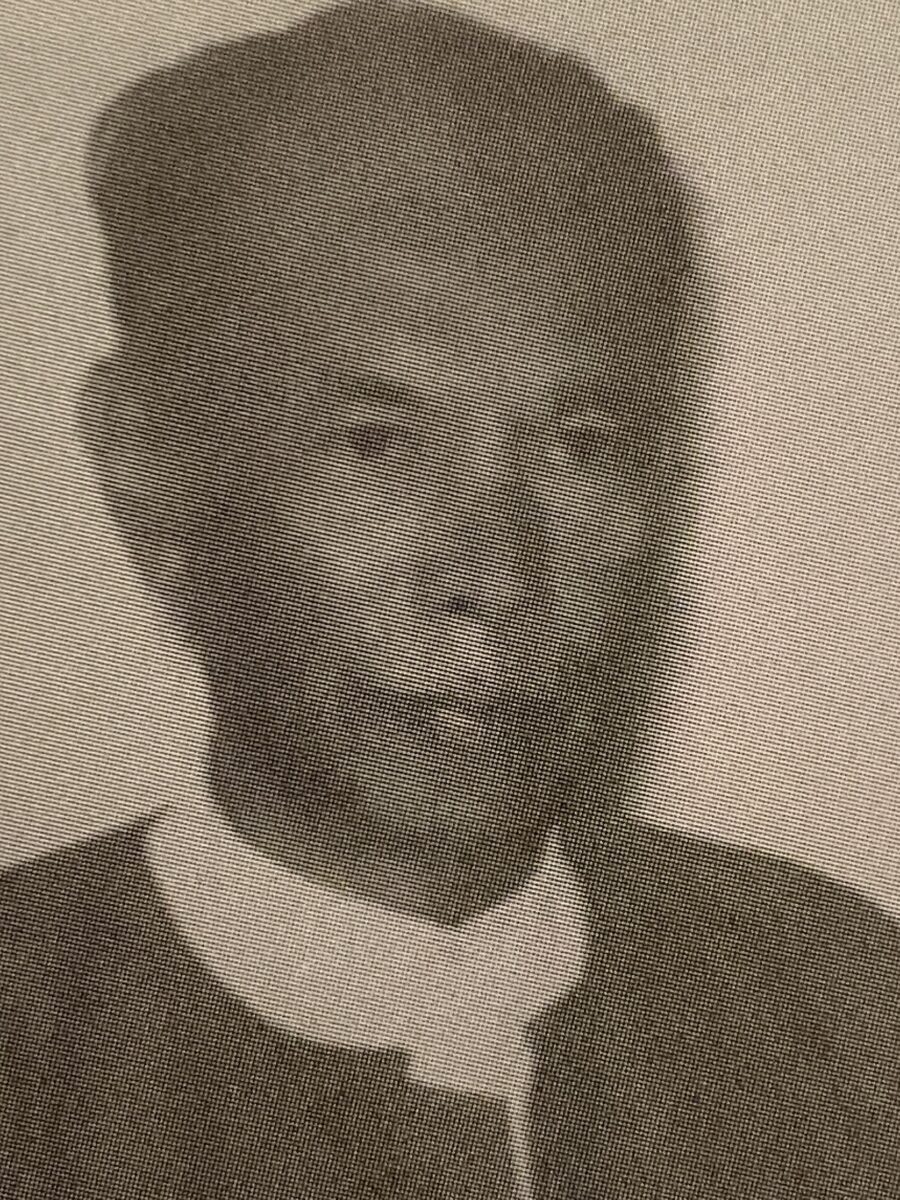
U San Win
U San Win (1905–1981) was a foundational figure in modern Burmese painting and the first artist in Myanmar to embrace Impressionism as his chief style of depiction. Born in Mandalay in 1905, he was adopted as an adolescent by Martin Ward—a British physics professor and founder of the Burma Art Club—who nurtured his early talent. He later graduated from Rangoon University in 1931, then studied at Goldsmiths College in London and Columbia University in America as a Fulbright Scholar.
- Born
- 1905
- Died
- 1981
- Nationality
- Myanmar
- Lives and works
- Mandalay
Selected works
Artworks by U San Win
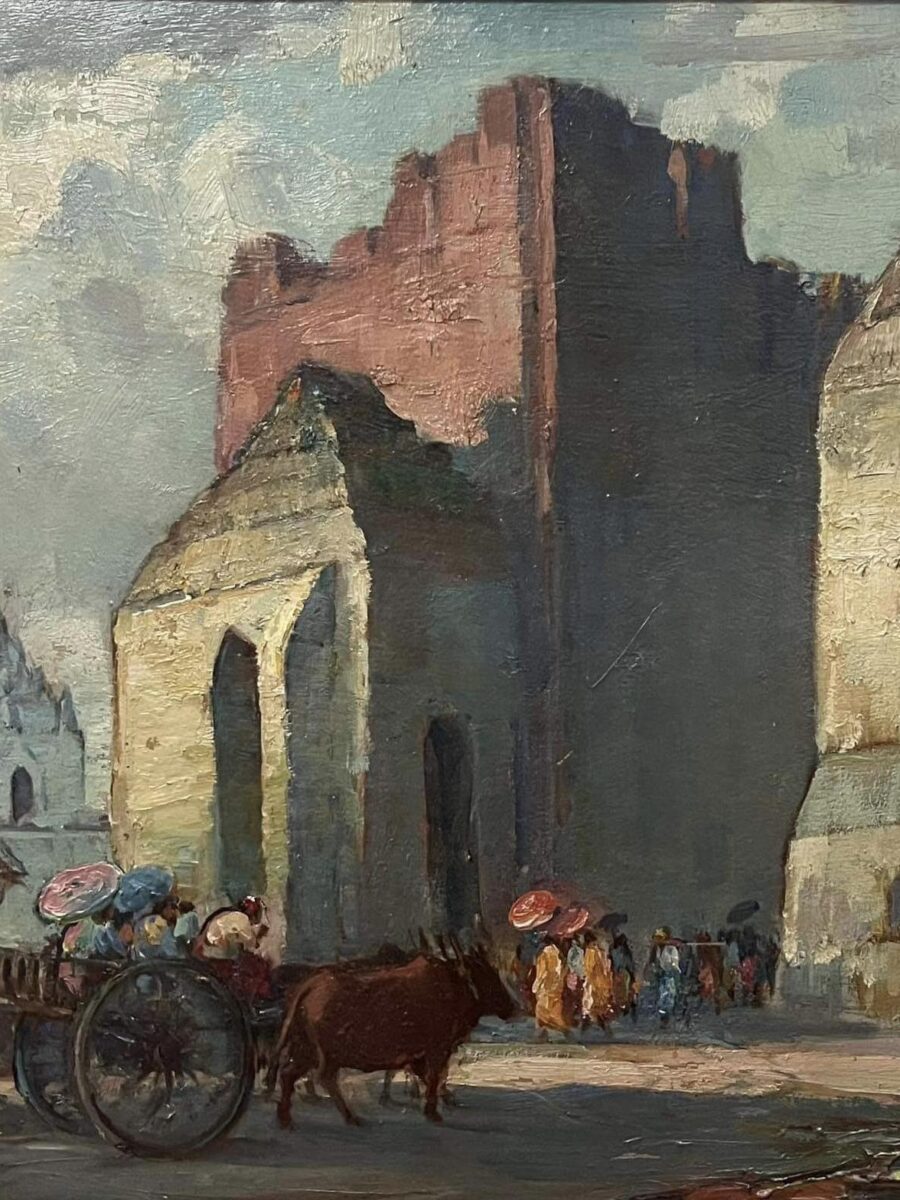
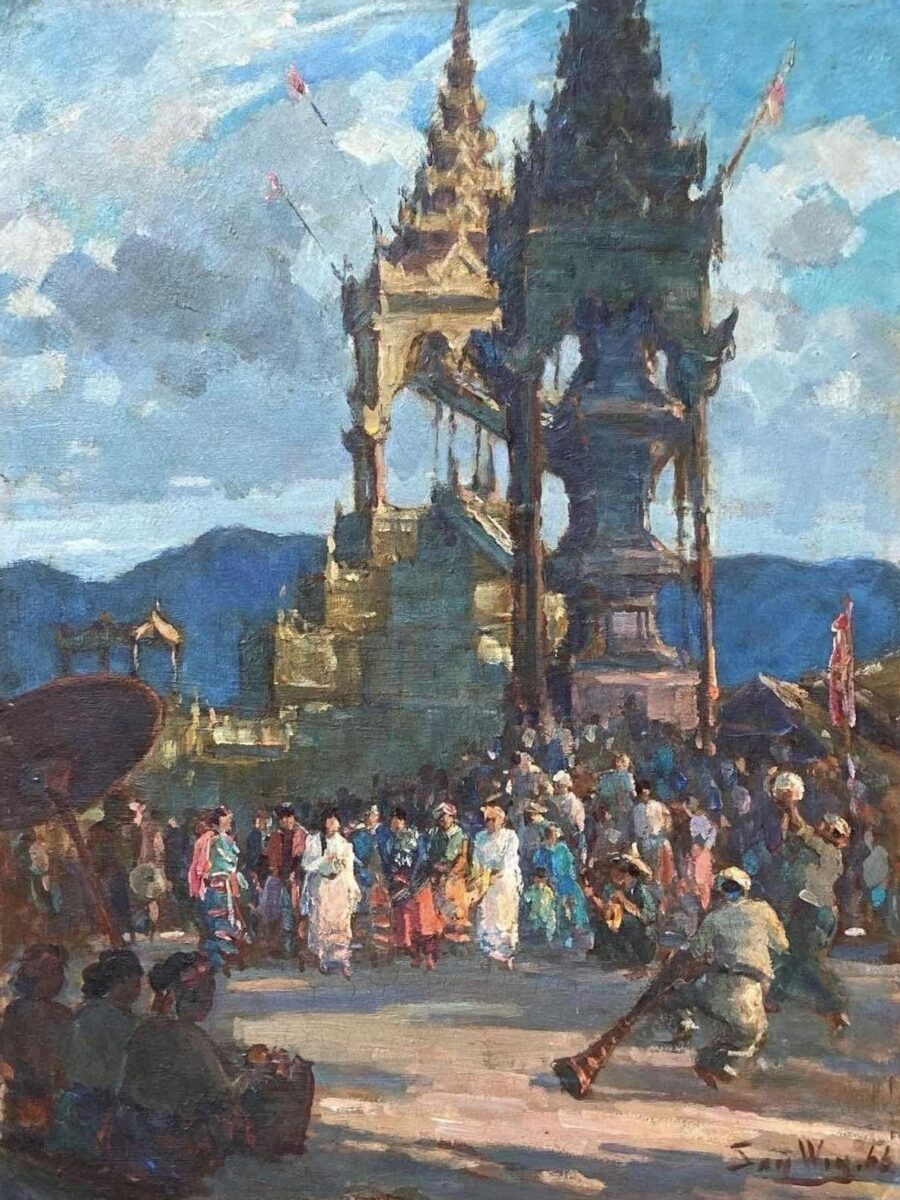
San Win played a significant role in the development of Burmese art through his innovation of Impressionism within the country. His color palette was distinctively Burmese—dominated by rust reds and honeyed browns mixed with earthy tones—contrasting brilliantly against the bright colors of the longyis worn by small background figures. His chief subjects included famous religious monuments and sites of Burma, though he also painted secular landscapes of ordinary life.
As a teacher and government official, he became chief of art teachers at the Teacher’s Training College by 1934, and later served as deputy minister of art education, receiving the Wunna Kyaw Htin—the highest civil service honor in Myanmar. His works are held in the National Museum of Myanmar and numerous private collections. U San Win passed away in 1981, leaving a legacy as a master who synthesized European technique with Burmese vision.
ဦးစံဝင်း (၁၉၀၅–၁၉၈၁) သည် ခေတ်သစ်မြန်မာပန်းချီပညာ၏ အခြေခံအုတ်မြစ်ဖြစ်သော ပန်းချီဆရာတစ်ဦးဖြစ်ပြီး မြန်မာနိုင်ငံတွင် အထင်ကြီးလောက်သော ပန်းချီခေတ်ကို အဓိကပုံစံအဖြစ် ပထမဆုံးလက်ခံကျင့်သုံးခဲ့သူဖြစ်သည်။ ၁၉၀၅ ခုနှစ်တွင် မန္တလေးမြို့၌ မွေးဖွားခဲ့ပြီး ငယ်စဉ်အခါက ရန်ကုန်တက္ကသိုလ်၏ ရူပဗေဒပါမောက္ခနှင့် ဗမာနိုင်ငံပန်းချီအသင်း၏ တည်ထောင်သူ မာတင်ဝါဒ်၏ မွေးစားသားဖြစ်ခဲ့ကာ ၎င်းက သူ၏ ငယ်ဘက်အနုပညာစွမ်းရည်ကို ပြုစုပျိုးထောင်ပေးခဲ့သည်။ ၁၉၃၁ ခုနှစ်တွင် ရန်ကုန်တက္ကသိုလ်မှ ဘွဲ့ရရှိပြီးနောက် လန်ဒန်မြို့ရှိ ဂိုးဒ်စမစ်ကောလိပ်နှင့် အမေရိကန်ပြည်ထောင်စုရှိ ကိုလံဘီယာတက္ကသိုလ်တို့တွင် Fulbright ပညာသင်ဆုဖြင့် ပညာဆက်လက်သင်ကြားခဲ့သည်။
ဦးစံဝင်းသည် မြန်မာနိုင်ငံတွင် အထင်ကြီးလောက်သော ပန်းချီခေတ်ကို ဆန်းသစ်တီထွင်ခြင်းဖြင့် မြန်မာ့အနုပညာဖွံ့ဖြိုးတိုးတက်ရေးတွင် အရေးပါသော အခန်းကဏ္ဍမှ ပါဝင်ခဲ့သည်။ သူ၏ အရောင်အသွေးကို သံချေးရောင် အနီနှင့် ပျားရည်အညိုရောင်တို့က လွှမ်းမိုးထားပြီး မြေကြီးအရောင်များနှင့် ရောစပ်ကာ နောက်ခံလူပုံများ၏ ထွန်းလင်းတောက်ပသော လုံချည်အရောင်များနှင့် ဆန့်ကျင်ဘက်ဖြစ်နေသည်။ သူ၏ အဓိကဘာသာရပ်များမှာ မြန်မာနိုင်ငံ၏ ကျော်ကြားသော ဘာသာရေးအထိမ်းအမှတ်အဆောက်အအုံများနှင့် နေ့စဉ်ဘဝ၏ လောကီရှုခင်းများဖြစ်သည်။
ဆရာနှင့် အစိုးရအရာရှိတစ်ဦးအနေဖြင့် ၁၉၃၄ ခုနှစ်တွင် ဆရာများလေ့ကျင့်ရေးကောလိပ်၏ ပန်းချီဆရာများအကြီးအကဲ ဖြစ်လာခဲ့ပြီး နောင်တွင် အနုပညာပညာရေးဝန်ကြီးဌာန၏ ဒုတိယဝန်ကြီးအဖြစ် တာဝန်ထမ်းဆောင်ကာ မြန်မာနိုင်ငံ၏ အမြင့်ဆုံးအရပ်ဘက်ဂုဏ်ထူးဆောင်ဘွဲ့ဖြစ်သော ဝဏ္ဏကျော်ထင်ဘွဲ့ကို ရရှိခဲ့သည်။ သူ၏ လက်ရာများကို မြန်မာနိုင်ငံအမျိုးသားပြတိုက်နှင့် ပုဂ္ဂလိကစုဆောင်းမှုများစွာတွင် ပြသထားရှိသည်။ ဦးစံဝင်းသည် ၁၉၈၁ ခုနှစ်တွင် ကွယ်လွန်ခဲ့ပြီး ဥရောပပန်းချီနည်းစနစ်ကို မြန်မာ့အမြင်နှင့် ပေါင်းစပ်ခဲ့သော ဆရာကြီးတစ်ဦးအဖြစ် အမွေအနှစ်ကို ချန်ရစ်ခဲ့သည်။