
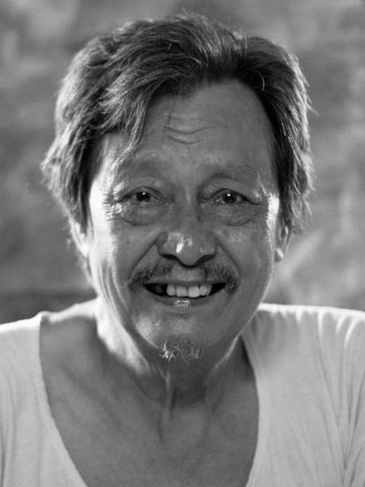
Kin Maung Yin
Kin Maung Yin (1938–2014) occupies a singular space in the annals of Myanmar art as an architect, filmmaker, and a leading exponent of the Abstract Expressionist movement in his country.
- Born
- 1938
- Died
- 2013
- Nationality
- Myanmar
- Lives and works
- Yangon
Selected works
Artworks by Kin Maung Yin
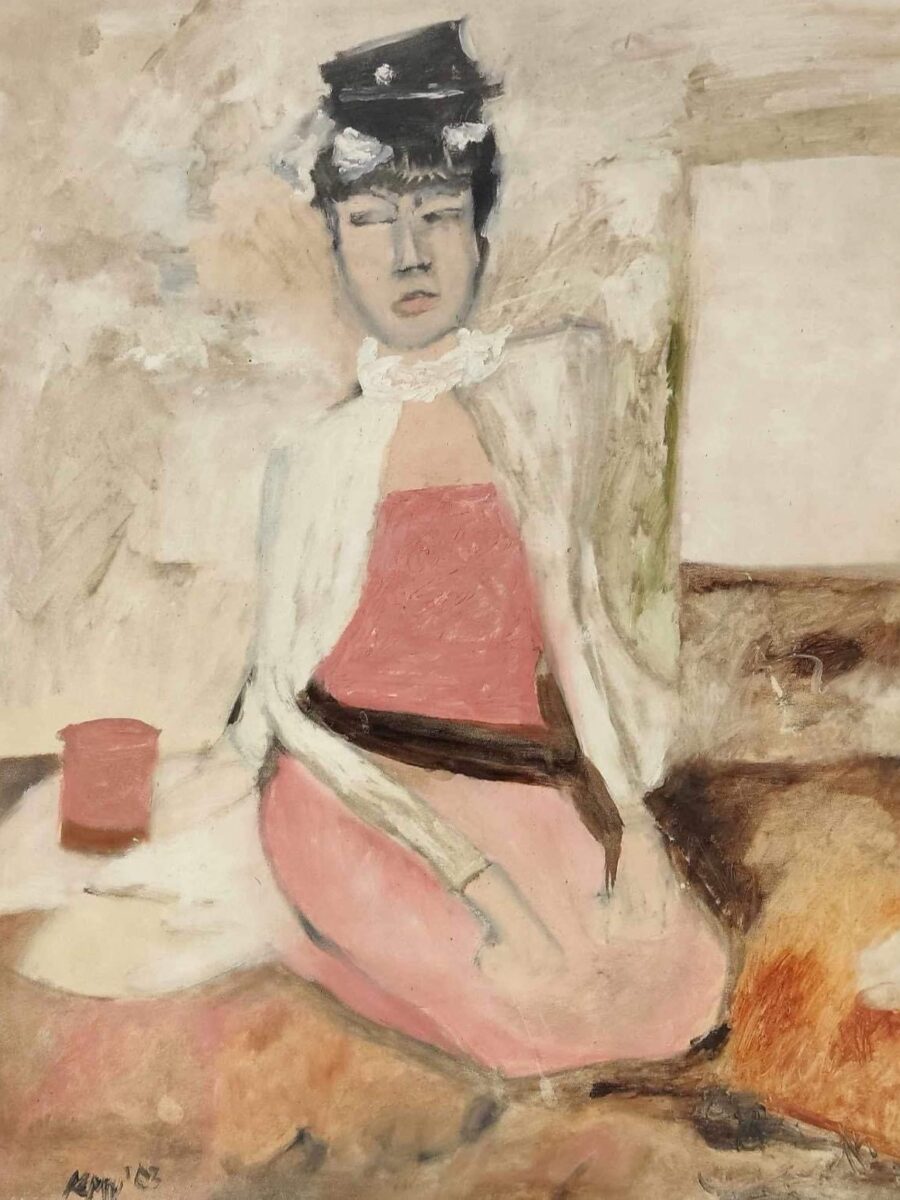
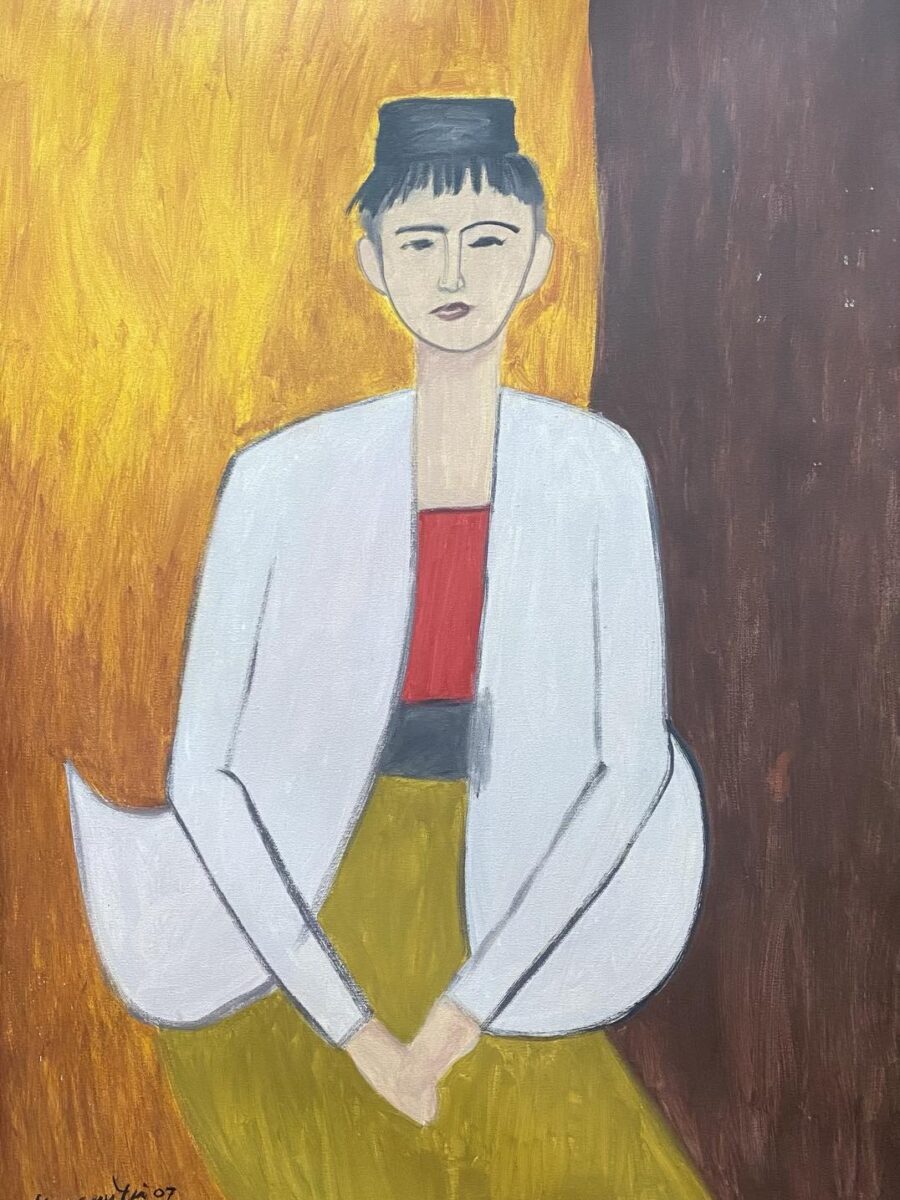
His formal training began in architecture at the Rangoon Institute of Technology, a background that fundamentally shaped his approach to the canvas. His professional work as an architect provided him with a structural discipline, but it was his immersion in the burgeoning contemporary art scene that allowed him to explore the freedom of abstraction. Unlike many of his contemporaries who focused on portraiture or landscape, Kin Maung Yin was deeply influenced by the global wave of Abstract Expressionism, incorporating the spontaneity of action painting and the raw energy of gestural mark-making into his work.
Throughout the 1960s and 1970s, Kin Maung Yin became a prominent figure in the “Group of Modern Art,” a collective that sought to push the boundaries of what was considered acceptable or “finished” art in Myanmar. His paintings during this period were characterized by thick impasto, a bold and often dissonant color palette, and a sense of urgent, emotional expression. He was not interested in replicating the external world but in translating the internal experience of life in a rapidly changing Burma onto the surface of the canvas. This departure from the conservative “Old Master” style made him a controversial but essential figure for younger artists who were looking for ways to engage with global modernism.
Beyond painting, he was a creative polymath who worked extensively in film and literature. He was a recognized filmmaker, applying the same avant-garde sensibilities he used in his art to his cinematic projects. This multidisciplinary approach allowed him to observe and document the cultural shifts in Yangon with a filmmaker’s eye, often finding beauty in the urban decay, the atmosphere of the streets, and the quiet moments of life in the city. His ability to synthesize architecture, cinema, and painting made him a central figure in the intellectual and bohemian circles of Yangon for decades.
Kin Maung Yin’s legacy is defined by his uncompromising independence. Even as he grew older and the art world in Myanmar evolved, he remained committed to the spirit of experimentation and the rejection of rigid categorization. He bridged the gap between the pioneering generation of the early 20th century and the contemporary artists of the 21st century, serving as both a mentor and an inspiration. By the time of his death in 2014, he had solidified his reputation as a visionary who refused to let the weight of Myanmar’s traditional art history stifle his creative autonomy, ensuring that the legacy of Myanmar Modernism remained a living, breathing, and ever-evolving endeavor.